I’ve defined Flow and Flowism, written short books, refined eight principles using AI, developed marketing materials, and created a project brief to initiate new AI conversations.
Today, I’m setting aside all my previous material to focus on Flowism and flow from the heart. At its core, Flowism is my philosophy for adapting to life’s circumstances, inspired by Taoism and the qualities of water. Flowism sounds like it’s about achieving flow states, but that isn’t the focus for me, but it can be for you. It’s about embracing all of life’s energies, adapting moment to moment while remaining authentic.
Flowism doesn’t have preset goals; you set them based on experience. Flowism is like water’s infinite adaptability—fitting any container. Our containers are shaped by genetics, family, culture, and environment. First, Flowism is about finding the philosophies, routines, rituals, and habits that fit in your container. It’s about finding your form. Only after mastering form can you master formlessness. You use Flowism to fill your cup, then you become the water inside. Bruce Lee’s quote about water captures the essence of high level Flowing.
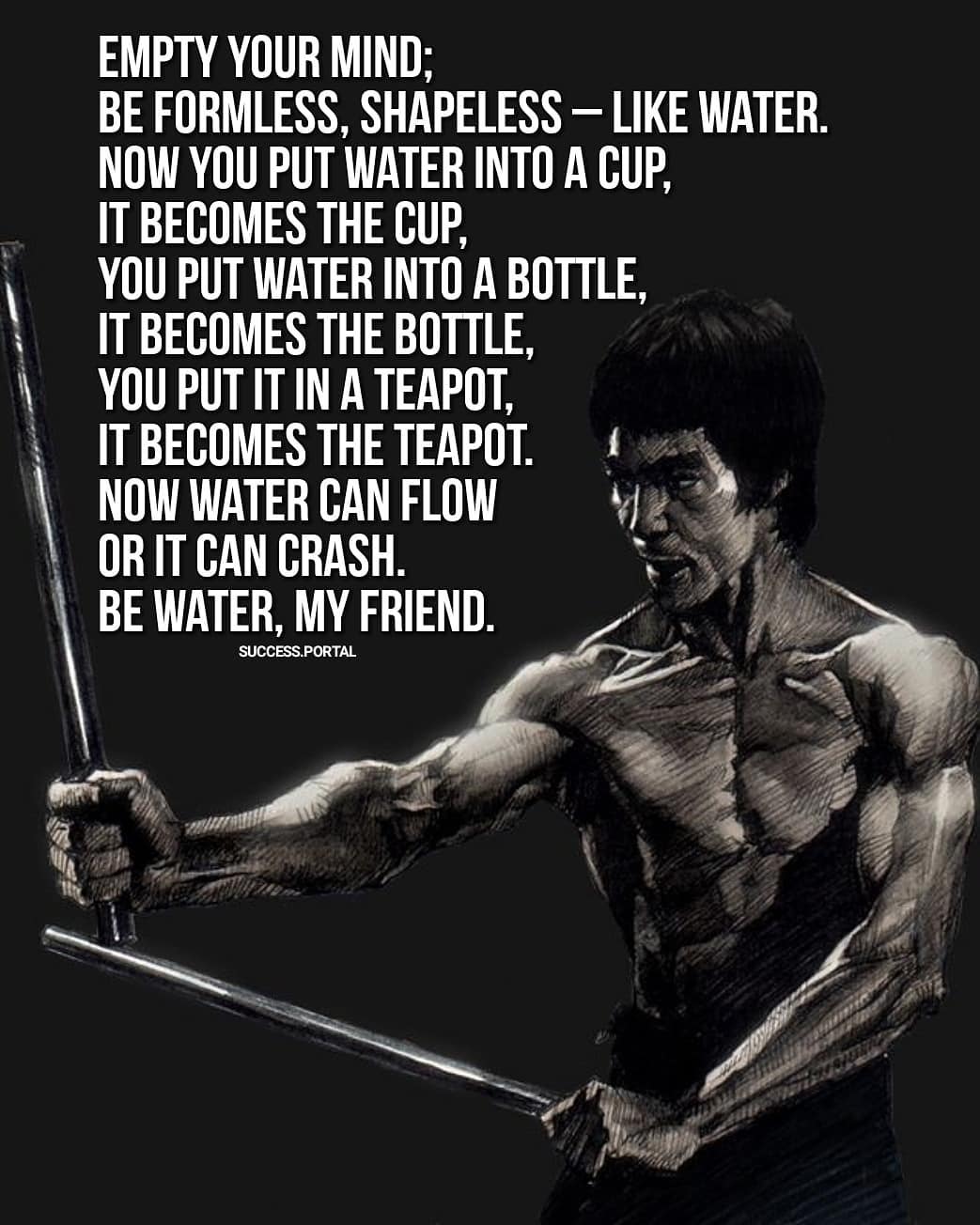
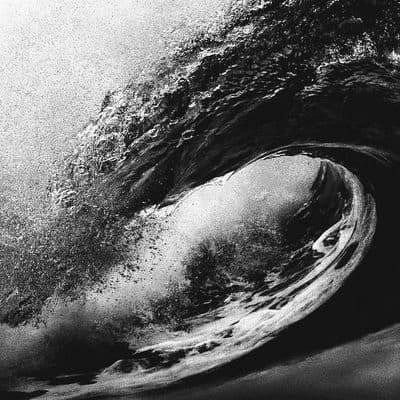
The mental image of water crashing is powerful—a wave more forceful than anything in its path. I’ve felt this wave through bipolar 1 disorder many times. Manic episodes smash through obstacles, with positive and negative effects. In my last manic episode, I realized it’s not just Flowism, but Ebb and Flowism. After a wave crashes, it must ebb; it’s physics. After highs of intense energy, I need lows of relaxed energy. I once thought ebbing didn’t fit Flowism, believing meditation or exercise should snap me out of it. Sometimes that’s true, but often ebbing is natural. In those times, I must accept and adjust.
Drawing from this, Flowism, to me, means matching each moment’s energy—crashing, flowing, or ebbing. This is Flow.
How do I refine my Flow? I use a scientific approach. Cycles of reflecting, planning, and acting. Throughout these experiments, I follow Bruce Lee’s advice.
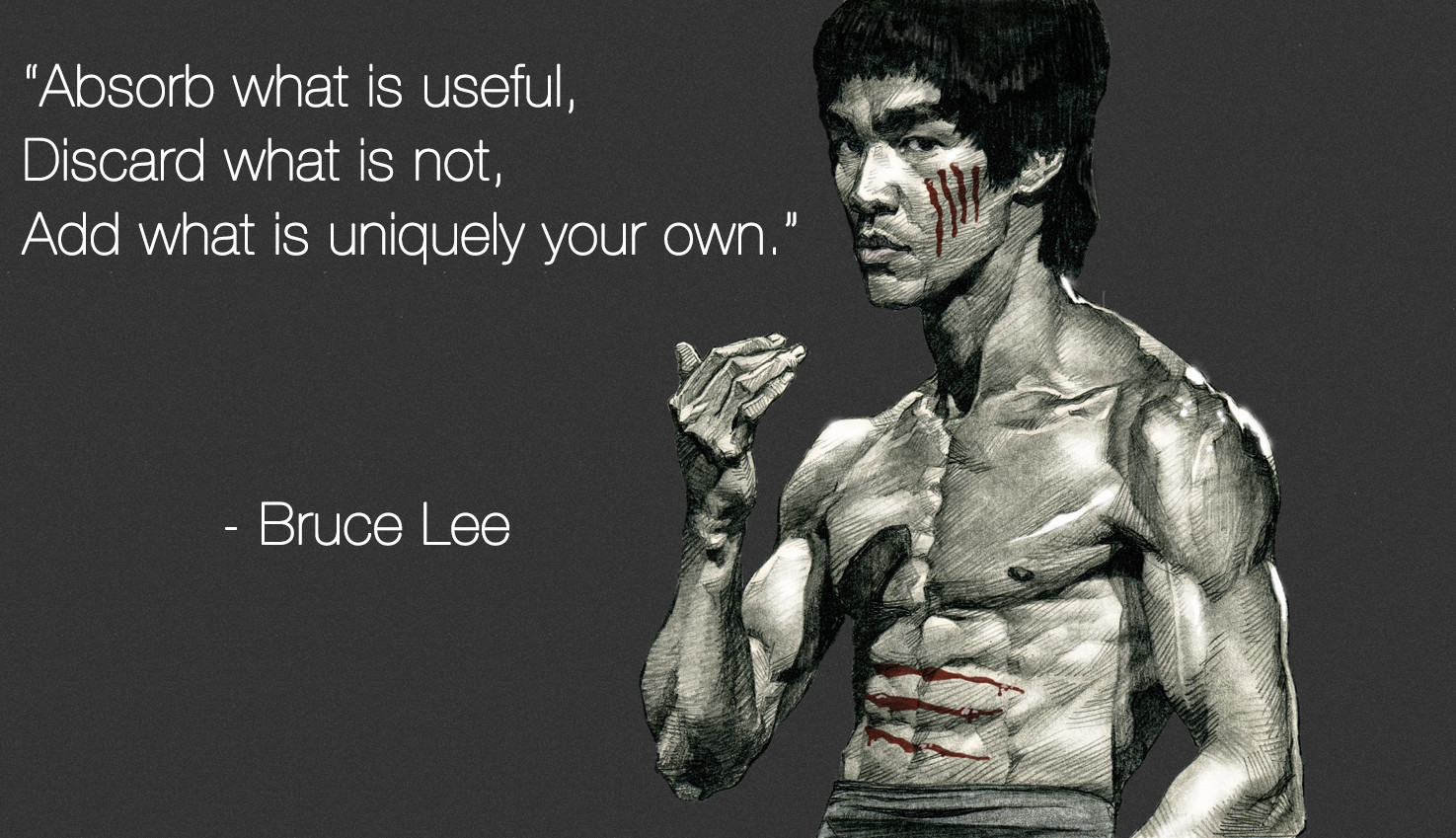
Reflection, planning, and action are things only you can do for yourself. No one else can do them for you. No philosophies or practices are made just for you. Always take what’s useful, discard what isn’t, and make your practice uniquely your own. This process never ends—as you change, what helps you may also change.
Flowism recognizes your uniqueness and the need for a process to refine it. My reflection, planning, and acting happens in 108-day cycles starting 1/1, 5/1, and 9/1. I plan and reflect at the end of the 108 days before the next cycle starts. Three times a year I, absorb what is useful, discard what is not, and add what is uniquely my own.
My Flowism is influenced by martial arts. In martial arts, there are techniques and principles. Mastering techniques help you understand principles. Mastering principles reduces the need for techniques. Different martial arts have different principles, but there are some principles that are universal to all martial arts.
Life is complex. The techniques I need to flow will differ from yours but, like with the martial arts, there will be universal principles for Flowism. These are from my first attempt to create universal principles.
- No two Flows are alike. – This is important because it lets everyone know that no one has all of the answers for anyone else.
- Highs and Lows—it’s all Flow. – Ebbing and flowing is part of real Flowism. Training for Flowism is hardest at these times. Don’t be hard on yourself during setbacks; failure is part of progress.
- Being ‘Good’ flows better. – Good is subjective and not about morals; everyone sees it differently. Doing your version of good feels better. If you struggle, don’t be hard on yourself. Learn and adapt.
- Flow with compassion – Start with yourself. Hold yourself accountable, but give grace for mistakes. Learn from them, then extend that compassion to others, especially those close to you.
- Flow. By any means necessary. – Flowism isn’t passive. It’s not just “Go with the Flow,” though it can be. If big obstacles block your Flow, crash through them—compassionately, if needed.
- Flowing together is better. – I made my brother my accountability partner with the goal of simply making my bed daily. Building even a small group to pursue Flow strengthens it—just one partner helps.
- You grow with your Flow. – Reflection, planning, and action cycles drive progress. My journey hasn’t been straight. Bipolar 1 brought extreme highs and lows, but my highs rise, and my lows shrink. Becoming a Flowist and crafting a Flow don’t guarantee healthy progress. If life stayed neutral, maybe—but we age, people die, and challenges come. The best we can do is learn and grow through sun and storm.
I got seven out of eight. Not bad. I’m going to stick to my guns and not look up the one I’m missing.
Flowism is a personal project but there are others out there each offering their own definitions and ideas. This diversity is ideal, and Flowism should evolve in many places. Over time, unifying principles may emerge. Maybe a couple of the ones I’ve come up with will be a part of them. I hope my version becomes a collective effort and spreads far and wide, helping as many people as possible.
v1
Created Cycle 22-23, Day 5 | April 23rd, 2026

